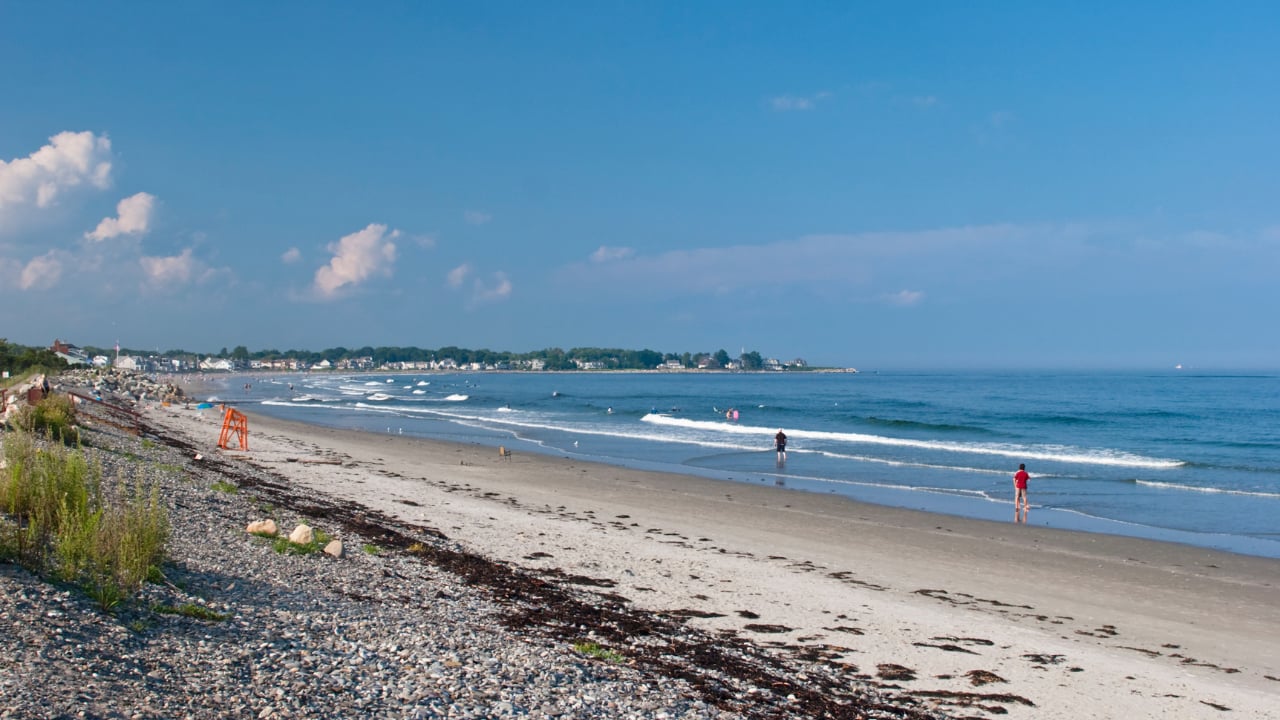
As part of our new monthly series breaking down short-term rental regulations across Southern Maine communities, we're taking a closer look at Cape Elizabeth.
Every town approaches short-term rentals a little differently. Some communities are relatively permissive, while others have implemented stricter regulations designed to preserve neighborhood character and protect long-term housing inventory.
If you're considering purchasing a property for Airbnb or VRBO use, or you're a homeowner exploring ways to generate supplemental income, understanding the local rules is essential before making any decisions.
For those looking to review the regulations directly, Cape Elizabeth provides detailed information through its official Short-Term Rental Ordinance Standards and Short-Term Rental FAQ pages.
Why Homeowners Consider Short-Term Rentals
We talk to homeowners every day who are exploring the short-term rental market for a variety of reasons.
For many, it is a practical financial decision. Rental income can help offset a mortgage, rising property taxes, insurance premiums, and ongoing maintenance costs. Some families use short-term rentals as a way to retain ownership of a property that has been in the family for years while ensuring it remains occupied and cared for throughout the year.
Others view real estate as an investment and are interested in properties that can generate income while also benefiting from long-term appreciation.
Beyond the financial aspect, we often meet homeowners with truly unique properties they want to share with visitors. Whether it's a waterfront cottage, a historic home, or a thoughtfully renovated property, many owners enjoy introducing guests to the community they love.
Why Travelers Continue to Choose STRs
Demand for short-term rentals remains strong because many travelers are looking for an experience that differs from a traditional hotel stay.
Families often prefer having everyone under one roof rather than spread across multiple hotel rooms. Access to a kitchen allows guests to prepare meals, save money, and enjoy a more comfortable stay. Others appreciate the privacy of a home and the opportunity to experience a community from a local perspective rather than from a hotel district.
For many visitors to Southern Maine, staying in a neighborhood provides a more authentic experience than a traditional lodging option.
Addressing the Housing Debate
Short-term rentals have become an increasingly debated topic throughout Maine and across the country.
Many residents and housing advocates argue that investor-owned short-term rentals can reduce the supply of homes available to year-round residents, particularly in desirable coastal communities. As a result, many municipalities have adopted regulations intended to balance tourism, property rights, and housing availability.
Cape Elizabeth's ordinance reflects that balancing act. Rather than broadly allowing short-term rentals throughout town, the regulations limit where and how they can operate while still providing opportunities for homeowners to participate in the market.
What Counts as a Short-Term Rental?
Cape Elizabeth defines a short-term rental as a residential property rented for less than 30 consecutive days.
All short-term rentals require a permit from the Town of Cape Elizabeth before operation. Permits must be renewed annually, and properties must comply with applicable safety and inspection requirements.
The Four Types of Short-Term Rentals Allowed in Cape Elizabeth
Cape Elizabeth allows four distinct categories of short-term rentals.
1. Primary Residence Hosted
This is the traditional host model that many people associate with Airbnb.
The property owner rents space within their primary residence while remaining on-site during the guest's stay, including overnight. The rental area cannot function as a separate dwelling unit and must remain part of the primary home.
2. Primary Residence Unhosted
Homeowners may rent their primary residence while they are away, but only for a limited number of days each year.
Cape Elizabeth limits this type of rental to 42 days per calendar year.
3. Properties with Seven or More Acres
Larger properties receive additional flexibility under the ordinance.
If a property contains at least seven acres, owners may operate a short-term rental whether it is their primary residence or not, and whether they are present during guest stays or not.
However, rentals are limited to 182 days per calendar year.
4. Adjacent Property Rentals
A homeowner may also rent a non-primary residence if their primary residence is located on the same lot or an abutting lot.
The owner must remain present during the rental period, and rentals are limited to 105 days per calendar year.
One STR Type Per Property Per Year
One provision that often surprises homeowners is that a property may only operate under one short-term rental category during a calendar year.
For example, a property approved as a hosted primary residence rental cannot later switch to another rental category until the following year.
Permit and Inspection Requirements
Before operating as a short-term rental, property owners must obtain a permit through the Town's Code Enforcement Office.
The initial application requires an inspection to verify compliance with applicable building and safety standards. Properties are subsequently reinspected at least once every five years, with annual certifications required in between inspections if no material changes have occurred.
Applicants are generally required to provide:
- Property information
- Owner and local contact information
- Proposed rental dates
- Documentation demonstrating compliance with applicable codes
- Wastewater and occupancy information where applicable
Occupancy, Parking, and Safety Standards
The ordinance also establishes operational standards intended to minimize impacts on surrounding neighborhoods.
Depending on the property, owners may need to demonstrate adequate septic capacity, provide sufficient off-street parking, maintain required smoke and carbon monoxide detectors, and comply with occupancy limits established by the Town.
Property owners remain responsible for compliance, even when using a property manager or local representative to oversee operations.
What This Means for Buyers and Investors
One of the biggest takeaways from Cape Elizabeth's ordinance is that not every property can be used as a full-time short-term rental investment.
Unlike some vacation destinations where investors can freely purchase and operate STRs year-round, Cape Elizabeth's regulations largely favor owner-occupied properties and place limits on rental activity.
If you're considering purchasing a property with short-term rental income in mind, understanding these rules is critical.
Final Thoughts
Cape Elizabeth has adopted one of the more restrictive short-term rental frameworks in Southern Maine, but it still provides opportunities to homeowners to earn income and/or offset their mortgage for those who meet the ordinance requirements.
As this monthly series continues, we'll be breaking down short-term rental regulations in additional Maine communities to help homeowners, buyers, and investors better understand the opportunities and limitations that exist from town to town.
If you're considering buying, selling, or investing in Maine real estate and want to understand how local regulations may impact your plans, feel free to reach out. We're always happy to help.