Wellness, sustainability, and smart design features today’s buyers value most
As buyer priorities continue to evolve, home design is becoming more intentional, wellness-driven, and value-focused. In 2026, the most desirable homes are those that blend comfort, sustainability, and smart functionality — while still feeling personal and warm.
Here’s a look at the top home improvement and design trends influencing today’s market.
Biophilic & Nature-Connected Design
Homeowners are increasingly bringing the outdoors in.
Larger windows, sunrooms, interior gardens, and screened patios help blur the line between indoor and outdoor living. Natural materials like wood and stone, paired with abundant greenery, create spaces that feel calm and restorative.
Why it matters:
Homes designed with nature in mind are shown to improve mood, productivity, and overall well-being — a major selling point for today’s buyers.
Warm, Earth-Inspired Color Palettes
The shift away from stark whites and cool grays continues.
Earthy tones such as olive green, terracotta, clay, and warm neutrals are now dominating walls, cabinetry, and finishes. A growing trend known as color drenching — using a single hue across walls, trim, and furnishings — adds depth and sophistication without feeling overwhelming.
Comfort-Focused Interiors
Design in 2026 is all about how a home feels.
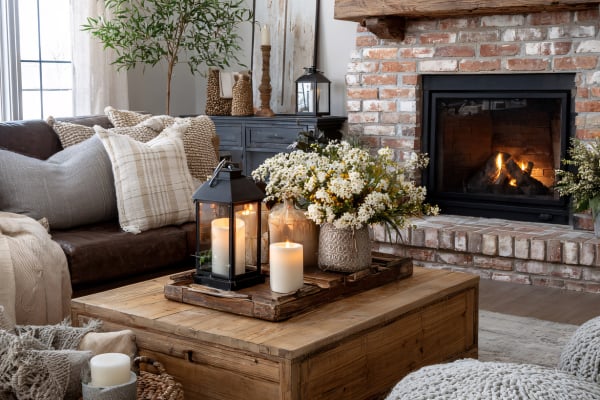
Soft textiles, curved furniture, and layered lighting create welcoming, lived-in spaces. Bathrooms are increasingly spa-inspired, featuring heated floors, ambient lighting, and natural finishes that turn everyday routines into moments of relaxation.
Smart Home Upgrades & Tech Integration
Smart home technology has moved beyond convenience and into lifestyle enhancement.
Buyers are looking for whole-home automation, advanced lighting systems, smart leak detection, and AI-assisted features that improve efficiency and security. EV chargers, energy-ready electrical panels, and strong connectivity are becoming expected upgrades.
Bonus:
Smart lighting that adjusts with circadian rhythms is gaining popularity for its health benefits.
Energy Efficiency & Sustainable Builds
Sustainability remains a major driver of value.
Net-Zero Ready homes with improved insulation, energy-efficient windows, and solar preparation are in high demand. Eco-friendly materials — including low-VOC paints and reclaimed wood — appeal to buyers focused on both health and long-term savings.
Bottom line:
Sustainable homes often translate to lower utility costs and stronger resale value.
Heritage, Character & Craftsmanship
There’s a clear shift toward authenticity and character.
Vintage and thrifted pieces, upcycled furniture, artisan craftsmanship, and classic architectural details like millwork and paneling are making a comeback. These elements add personality and help homes feel curated rather than generic.
Flexible, Multifunctional Spaces
With work, school, and leisure often happening under one roof, flexibility is key.
Homes with adaptable layouts — home offices, multigenerational living options, accessory dwelling units (ADUs), and multi-use rooms — are especially appealing. The goal is maximum functionality without sacrificing style.
Intentional & Mindful Living Spaces
In response to digital overload, many homeowners are creating screen-free zones and spaces dedicated to rest, reading, games, or music. These intentional design choices support mental wellness and reflect a growing desire for balance at home.
The Takeaway
The most in-demand homes of 2026 are those that prioritize well-being, sustainability, and thoughtful design. From nature-connected spaces to smart technology and flexible layouts, today’s buyers are looking for homes that don’t just look good — they support a better way of living.