A New Home for Hearts of Pine?
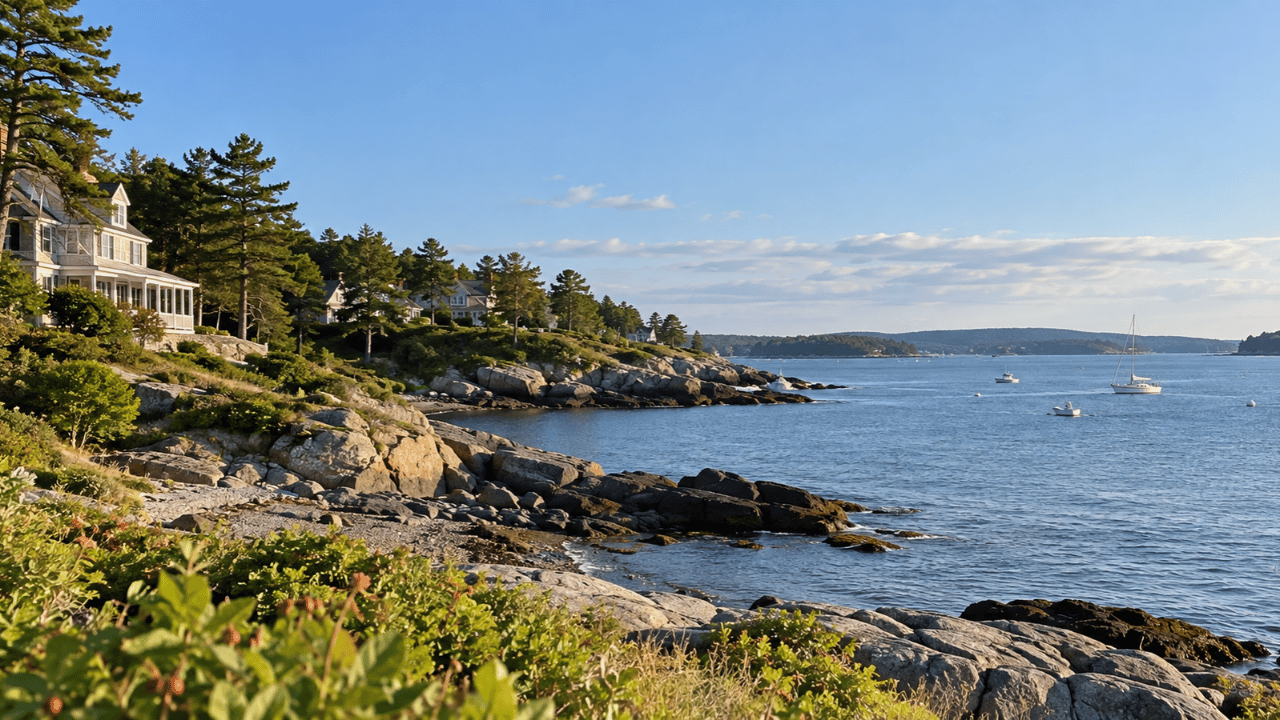
Portland Hearts of Pine has announced an ambitious plan to build a permanent soccer stadium at Cassidy Point, near the western end of Commercial Street.
The proposal could transform a largely inaccessible industrial property into a major community destination, but it also raises difficult questions about zoning, transportation, environmental conditions, and the future of Portland’s working waterfront.
What Is Being Proposed?
Hearts of Pine has entered into an agreement to acquire approximately eight acres from Sprague Energy. The club envisions a privately funded stadium with approximately 9,000 to 11,000 seats, serving as the permanent home of its men’s and women’s teams.
Preliminary plans also include an indoor recreational facility, public waterfront access, green space, pedestrian connections, and potentially limited restaurant and retail space.
The project is expected to cost more than $50 million, with construction potentially beginning in late 2027 and the stadium opening in 2029.
acres
seats
project cost
What Is the Property Currently Zoned For?
The Cassidy Point property is currently located in Portland’s Waterfront Port Development Zone, or WPDZ. This designation protects land along Portland’s western waterfront for maritime commerce, cargo handling, marine transportation, and related industrial activity.
A soccer stadium is not currently permitted under that zoning.
Development Zone
Commercial Zone
Hearts of Pine is asking Portland to rezone the portion it hopes to acquire to the B-5 Urban Commercial Zone, which accommodates denser urban development and a mixture of commercial, residential, marine, and other uses near downtown and the waterfront.
There is another step, however. A stadium is not presently listed as a permitted B-5 use either. The club is also requesting a text amendment that would add stadiums to the uses allowed within the zone.
Supporters see an opportunity to replace an industrial coal-storage area with a highly visible destination offering recreation, economic activity, and public access to a part of the waterfront that has historically been closed to residents.
The club says Cassidy Point’s 600-foot pier would remain outside the stadium development and continue operating under a separate marine operator. It also argues that the location could allow many supporters to walk, bike, or use public transportation.
Waterfront workers and maritime organizations see the situation differently. They argue that deep-water industrial land is extremely limited and, once converted to entertainment or commercial use, may never be available for marine activity again.
The disagreement is therefore about more than a coal pile or a soccer stadium. It is about whether the long-term public interest is better served by protecting scarce industrial waterfront land or allowing it to transition to a more publicly accessible use.
What Else Will Portland Need to Consider?
What Happens Next?
The request must proceed through Portland’s public planning process. The Planning Board is expected to review the proposed map and text amendments and make a recommendation. The City Council would ultimately decide whether to approve the zoning changes.
A separate site-plan review would examine the project’s design, transportation, environmental, and neighborhood impacts. At this stage, the renderings are conceptual and the proposal may change substantially as reviews and public discussions continue.
Major redevelopment projects can influence surrounding property values, neighborhood activity, transportation patterns, and future investment. A successful stadium could strengthen Portland’s identity as a year-round sports and entertainment destination while encouraging additional development near the western waterfront.
At the same time, increased traffic, noise, and development pressure could create concerns for nearby residents. Converting industrial waterfront land could also affect maritime employment and the mix of businesses that have historically defined Portland Harbor.